Robert J. Bell
Historical Consultant
About Me
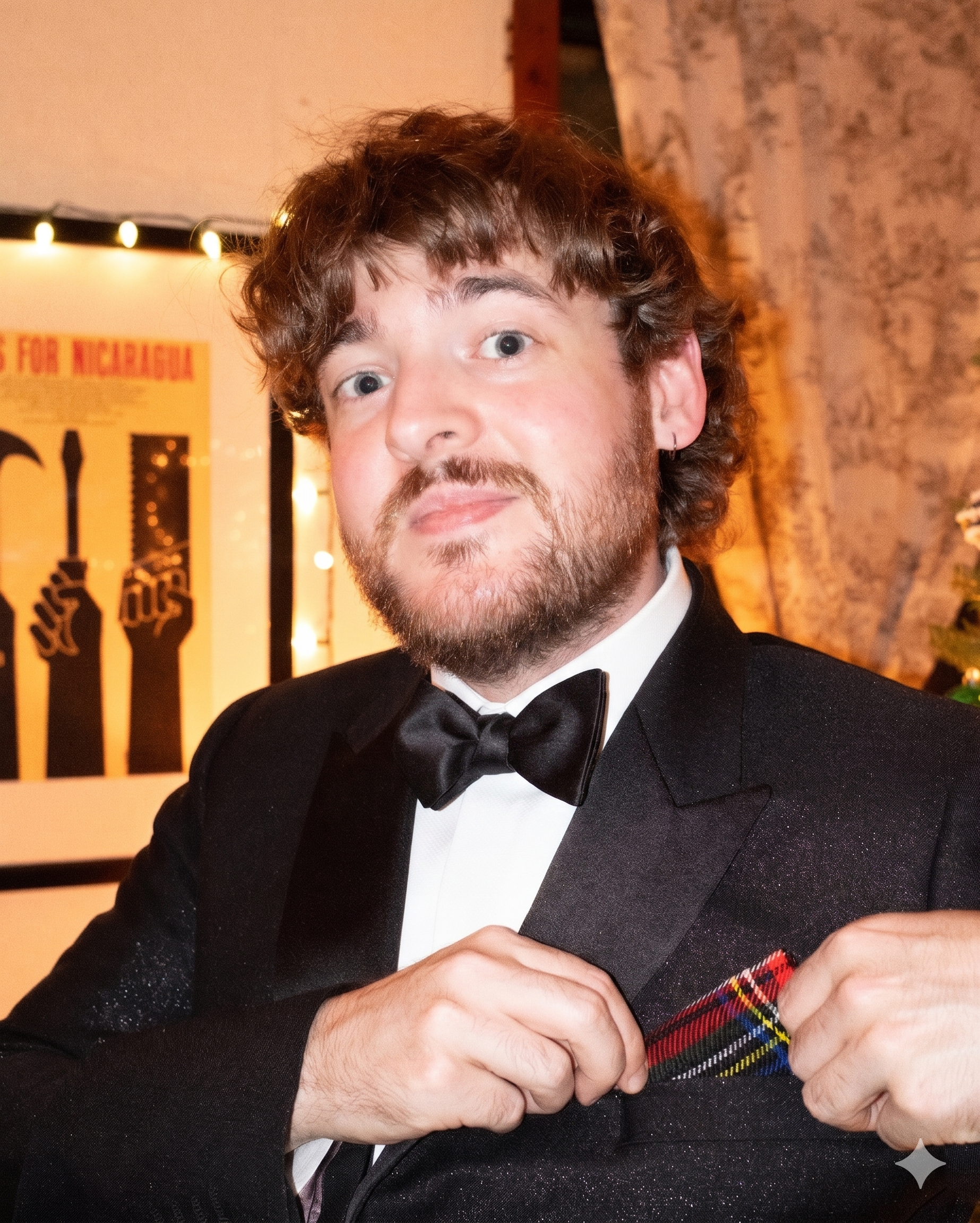
I'm Robert J. Bell, a historian-at-large here in New York City. I lead walking tours across the five boroughs, provide archival research for academic and private clients, and help families, businesses, and organizations catalogue, preserve, and share their unique histories.
I hold an M.Phil. in History and Middle Eastern and Islamic Studies from New York University. My academic research took me to more than 90 archives and research centers in the United States and abroad, among them the FDR, Truman, and Eisenhower presidential libraries, the National Archives of the United Kingdom, and the German Bundesarchiv.
In addition to my academic research, I also served as a Public Humanities Fellow at the National 9/11 Memorial & Museum, where I conducted research into their artifact collections and produced new exhibitions.
Since 2016, I have also designed and led more than 100 in-depth tours of Manhattan and Brooklyn for Context Travel, guiding clients from across the world through the layered histories of immigration, urban development, and social change in New York City.
I launched Bell Historical Works in 2026 to share my passion for history with new audiences and clients. Join me on a tour of New York City, contract with me for research assistance, or draw on my experience to explore your own histories.
What I Offer
Historical Research
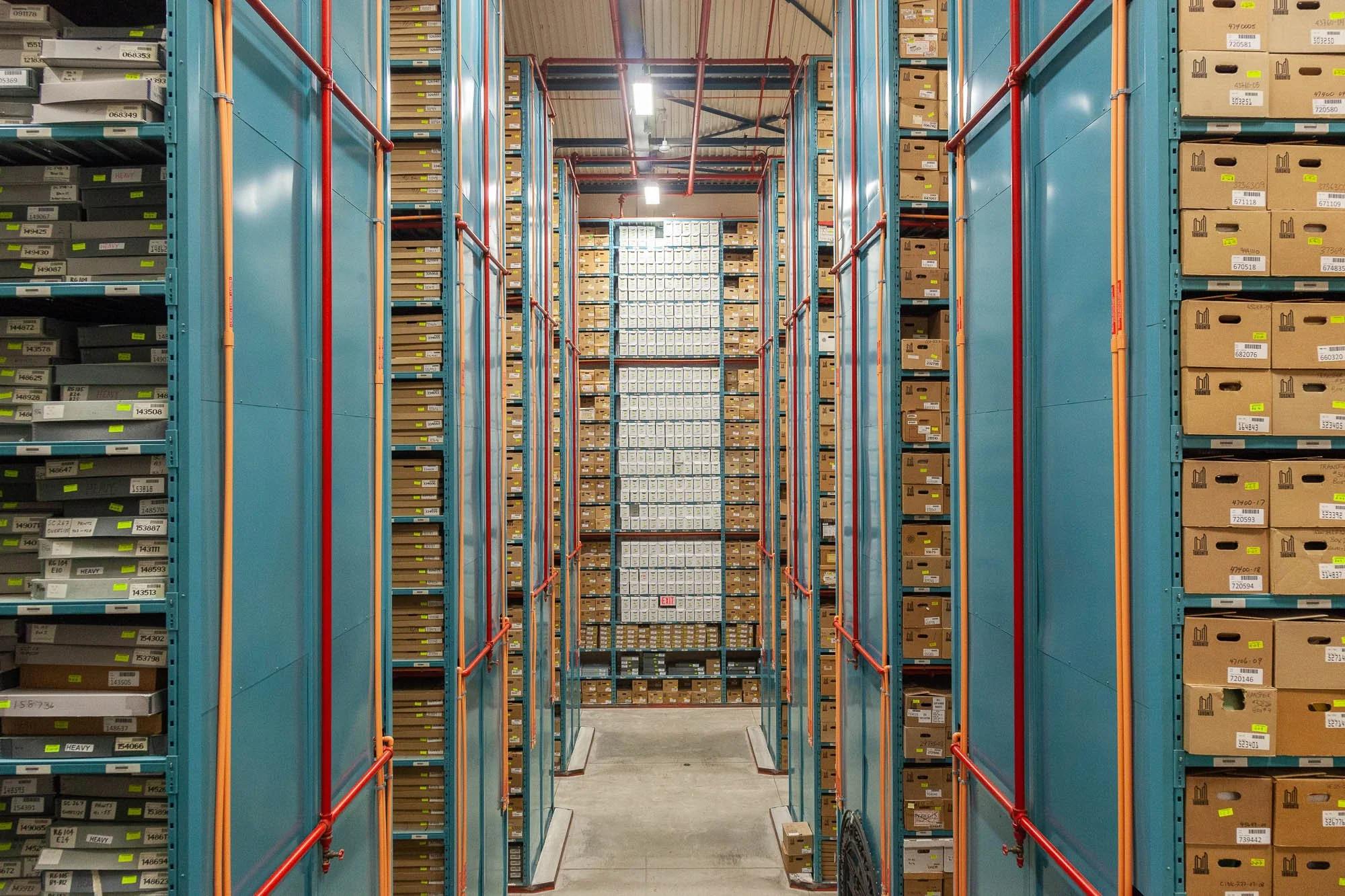
I do research for families, businesses, and organizations that want a documented account of their past, or answers to their historical questions. I draw on primary sources like archives and period newspapers, as well as published histories and scholarly articles, and provide written source analysis reports for the projects.
Curatorial
Services
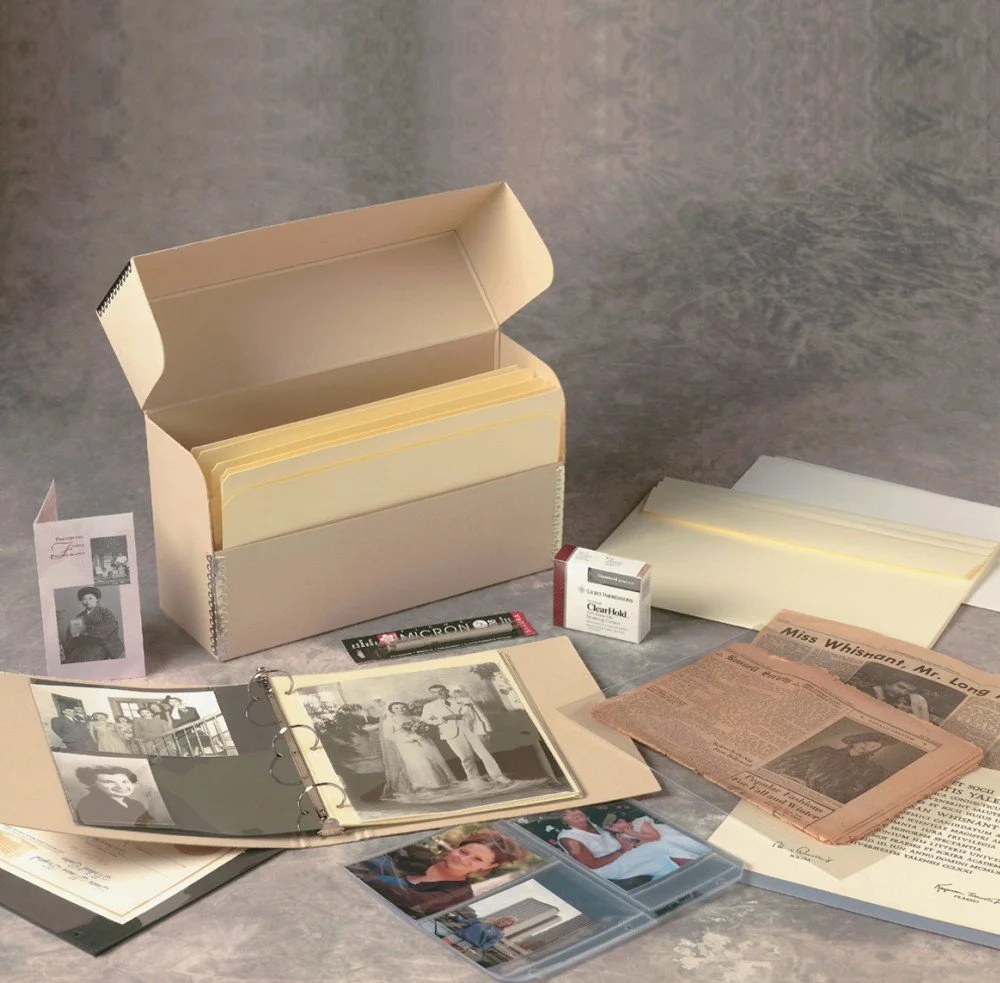
I organize and preserve photographs, letters, artifacts, and records for clients into a coherent archive. This includes a full catalogue of the collection and filing of materials into preservation-grade boxes and folders. Digitization options include a private drive or a variety of web-based platforms to display collection highlights.
Custom
Tours
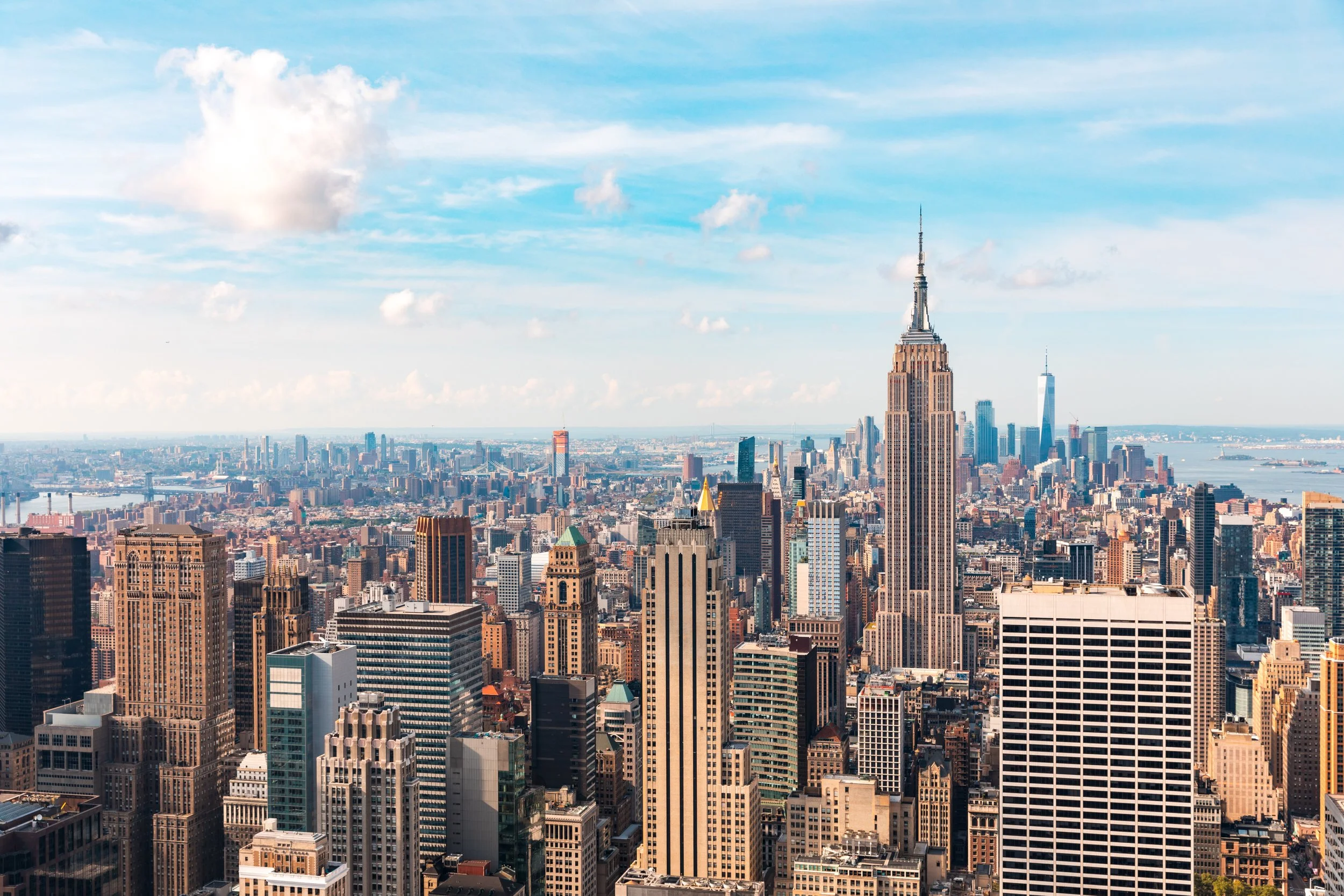
I design and lead customized walking tours in New York City for individuals and small groups, constructing each route from original historical research. Some of my recent tours have explored the countercultural histories of Greenwich Village, the industrial heritage of DUMBO, and the architecture of Brooklyn Heights.
Recent Projects
Archiving Five Generations of Family History
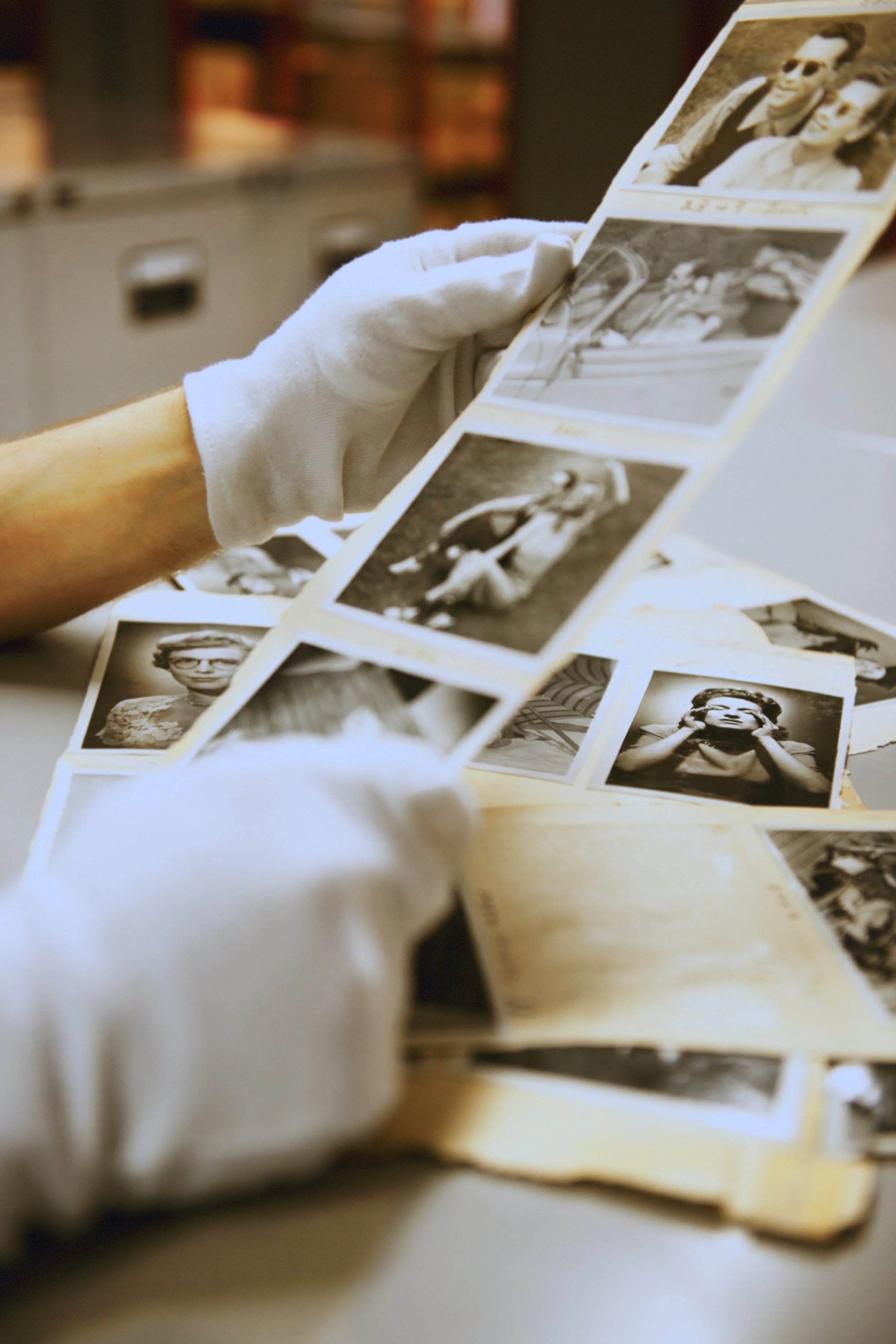
I recently organized a large family archive that included documents, correspondence, photographs, and other records dating back to the early 19th century. This particular collection was full of fascinating characters, with the papers of one grandfather revealing that he dabbled in the occult during the 1920s, even exchanging letters with the English mystic Aleister Crowley, while others documented a great-great-grandfather's generalship in the Civil War.
After surveying the collection and advising the client on the options for rehousing and digitization, I digitized the most significant material with a suite of high-resolution capture equipment, including a museum-grade KIC BookTEK 5 overhead scanner. The standard metadata I encoded into each file, fixing its date of creation, source, and place in the archive, keeps everything legible as software and file formats change over time.
For the physical collection, I removed the staples, paperclips, and rubber bands that can transfer rust onto paper, and filed everything in acid-free, lignin-free folders and storage boxes, and placed photographs in high-grade polyester sleeves for an added layer of protection.
With the collection now rehoused and preserved, I created a finding aid with an ordered system of folder and box names matching the digital archive, allowing the family to seamlessly locate any item across dozens of boxes, and advised on how to best store and shelve the collection in the client's home.
To finish, I worked with the client to curate an online showcase of the collection's most meaningful items, built on an open-source publishing platform of the kind that libraries, museums, and universities use for their own digital exhibits. What began as boxes of loose papers is now a polished, searchable, and shareable repository of the family's history.
NYC Coroner System Research
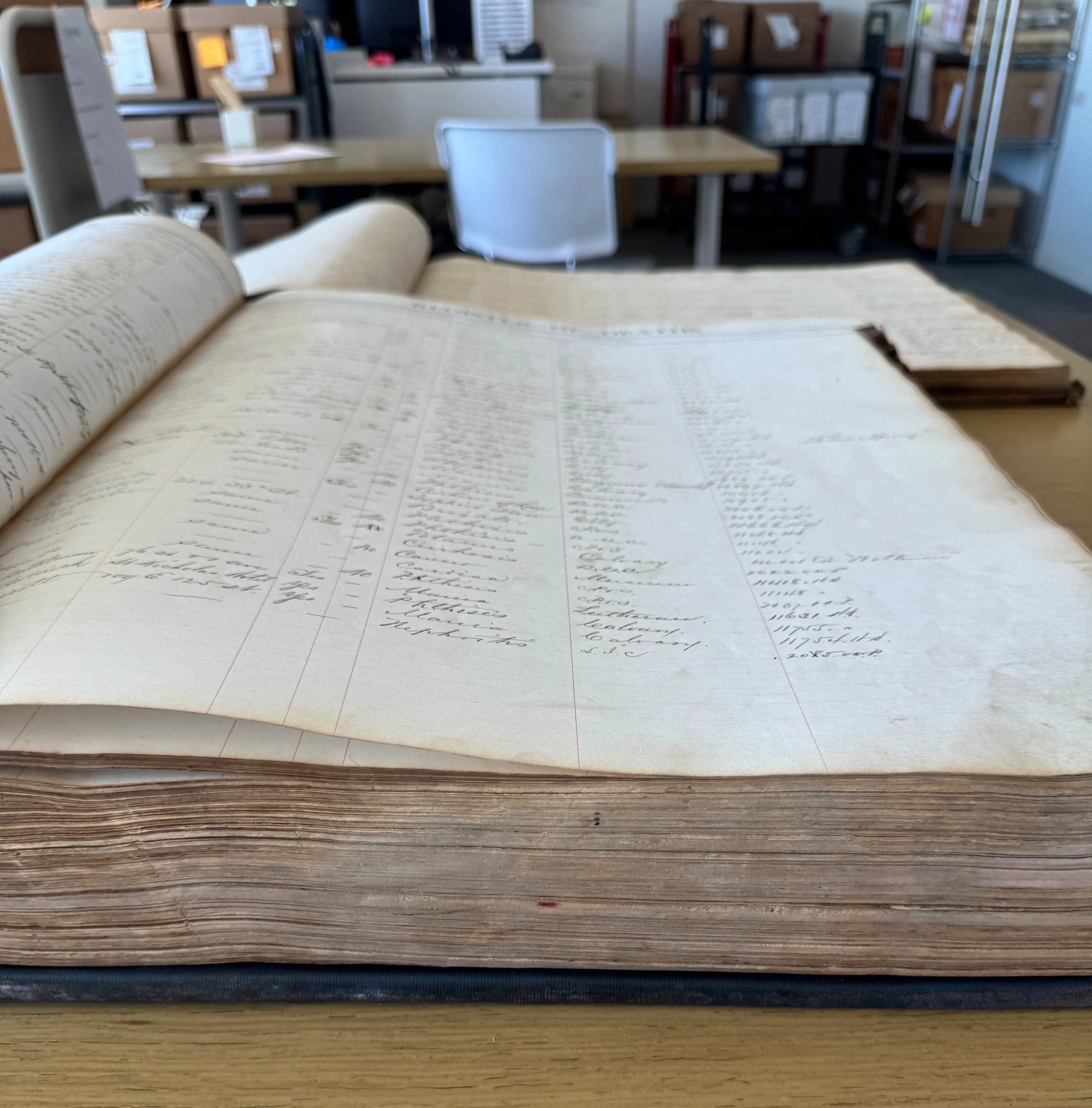
An academic client hired me to search the nineteenth-century registers of New York City's coroners for evidence of corruption and negligence in their reporting. The records sit deep in the NYC Municipal Archives on microfilm and in massive bound registers like that on the right.
I handled every stage of the research process, starting with a deep dive into the finding aids to identify potentially relevant records and which boxes, volumes, and microfilm reels to request. I corresponded with the archivists about access restrictions and gaps in the holdings, scheduled research appointments, and examined items at length in the archive reading room. I then photographed relevant documents, organized the copies with standardized file names and metadata for citational precision, and delivered them to the client. After each visit, the client also received a narrative summary connecting what I examined to their project.
Over multiple days in the archives, I uncovered the 19th century NYC coroner system's baroque inner workings and shady dealings. Much of this research will soon appear in a peer-reviewed article, written by the client and informed by my research consultation.
Greenwich Village
Walking Tours
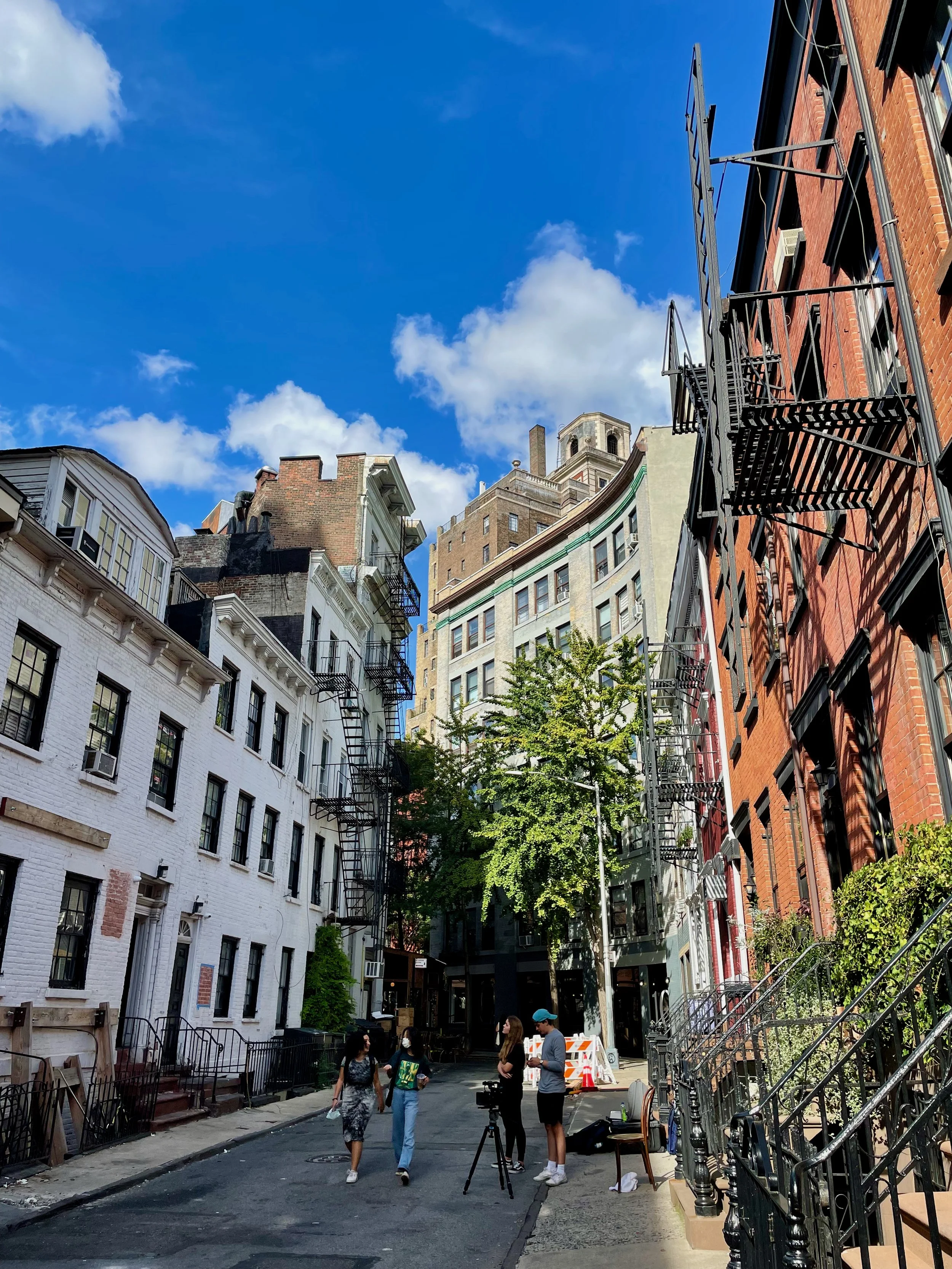
Most visitors arrive knowing one thing or another about Bob Dylan, folk music, and 1960s counterculture, but the roots of this creative and radical scene run much deeper in the Village.
From the moment Greenwich Village evaded the 1811 plan that put the rest of Manhattan on an ordered grid, a spirit of free expression and possibility has run through the neighborhood's crooked and winding streets. In my tours, among the many overlapping histories of race, migration, and cultural production in the Village, I trace how the first free African-American community in New York found a home on side streets like Minetta Lane, and how that community later gave the neighborhood the first headquarters of the NAACP, at 70 Fifth Avenue. At landmarks like the former Jefferson Market courthouse, I explain how the Women's Court of the 1920s brought thousands of arrested women to the Village and, in an ironic turn, helped secure its standing as an LGBTQ+ haven decades before Stonewall.
Modern American culture owes a debt to the bohemian world of the Village. The Little Review first published James Joyce's Ulysses from an office on West 8th Street. The Cherry Lane Theatre premiered Beckett's Waiting for Godot off a bent alley near Bedford Street. Café Society opened at Sheridan Square as the first integrated nightclub in the city, Edward Hopper painted iconic scenes from a studio on Washington Square, and the tea rooms and speakeasies in between hosted everyone from Emma Goldman to Norman Mailer to Eleanor Roosevelt. These and many more stories fill my walks through Greenwich Village, making it a highlight of my regular tour itineraries.
Connect With Me
Reach out to book a tour and discuss how I can assist you with research, preservation, and archiving services.